Source ccs iso9001 2000 sisal twine for Agriculture Packaging Outdoor Gear
Compare 30 verified listings for ccs iso9001 2000 sisal twine from global suppliers. Buyers can evaluate specifications like weight, material, and certification to find suitable options for agriculture, packaging, and outdoor gear applications; compare the available evidence and request quotations based on your requirements.
Key considerations
Products List


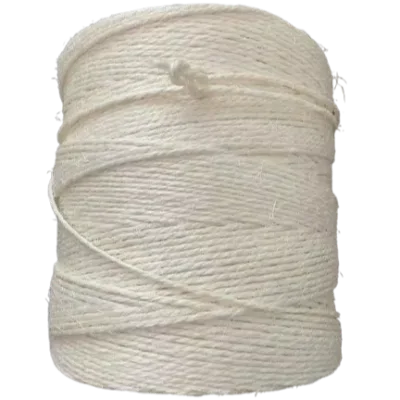
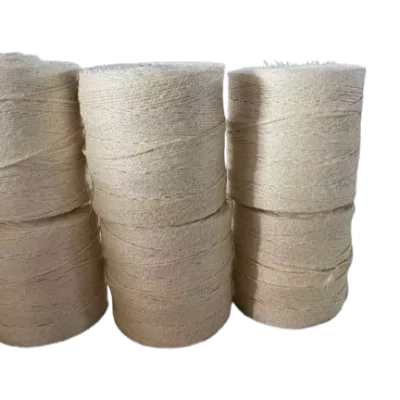
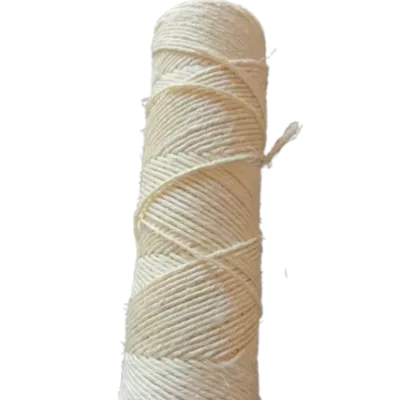


Comprehensive Sourcing Guide
CCS ISO9001 2000 Sisal Twine Sourcing Guide
Procuring sisal twine certified under ISO9001 standards requires a disciplined approach to verifying material integrity and manufacturing consistency. Buyers must recognize that while ISO9001 indicates a robust quality management system, it does not guarantee specific physical properties of the fiber itself. The core keyword combination suggests a focus on certified, high-quality natural fiber products, often originating from major production hubs like China or Tanzania. Sourcing agents should prioritize suppliers who can demonstrate traceability from the raw sisal plantation to the final twisted rope or yarn product. This ensures that the "Eco-Friendly" and "Recyclable" attributes observed in market listings are genuine and not merely marketing claims.
The procurement process must account for the diverse applications of sisal twine, which range from agriculture and packaging to outdoor gear and security uses. Each application imposes different stress requirements on the twine, necessitating careful selection of twist direction, ply count, and diameter. For instance, agricultural bundling may require a looser twist for ease of manual handling, whereas shipping and security applications demand higher tensile strength and durability. Buyers should align their technical specifications with the intended end-use, ensuring that the selected product model, such as ST-3 or PT-10, matches the operational demands. This alignment prevents costly mismatches between product performance and application requirements.
Product Scope and Observed Listing Signals
Market listings for sisal twine reveal a wide spectrum of product models and specifications, indicating a highly segmented supply chain. Observed models include ST-3, PT-10, PM-1, PM-5, PM-7, and PT0021, each potentially catering to distinct niche markets or customer preferences. The presence of specific size indicators like "1/4"X1200'" and "8-12mm" suggests that buyers can find products tailored to precise dimensional requirements. Additionally, the availability of "fine" and "heavy duty" variants highlights the importance of selecting the appropriate grade for the specific task. Buyers should scrutinize these model numbers to understand the underlying construction and intended use, as they often correlate with specific manufacturing techniques and material grades.
Color and finish options also play a significant role in product selection, with listings showing "Natural," "Bleached," and "Dyed" variations. The "Natural" finish is typically preferred for agricultural and eco-conscious applications, while dyed options may be used for decorative or identification purposes. The "Raw" pattern and "Z or S" twist direction are critical technical details that affect the twine's behavior under tension. Buyers must verify these attributes during the sourcing phase to ensure compatibility with their machinery or manual handling processes. The observation of "Coil" packaging and "Carton" packing further indicates logistical considerations that impact storage and transportation efficiency.
Technical Specifications to Verify
Verifying the technical specifications of sisal twine is crucial for ensuring product performance and longevity. Key attributes to confirm include the weight, which ranges from 100g to 200g and beyond, and the pile structure, such as "2/3 Ply" configurations. The twist direction, whether "Z" or "S," must be specified to prevent unraveling during use. Additionally, the evenness of the yarn, often cited as ">95%," is a critical quality indicator that affects the uniformity and strength of the final product. Buyers should request detailed technical data sheets that specify these parameters, ensuring that the product meets their exact operational requirements.
Material composition and manufacturing techniques are equally important verification points. Sisal twine is typically produced using "Twisted" or "Ring Spun" techniques, each offering different characteristics in terms of flexibility and strength. The brand name, such as WINAFR, may indicate a specific manufacturer's reputation for quality, but buyers should not rely solely on brand recognition. Instead, they should verify the actual material quality, including the presence of features like "Anti-Pilling" and "Sustainable" sourcing. The size specifications, ranging from 3mm to 5mm, must be cross-referenced with the intended application to ensure adequate tensile strength and durability.
Compliance and Safety Documentation
Compliance with international standards is a fundamental requirement for sourcing sisal twine, particularly for export-oriented markets. The presence of CE and ISO9001 certifications in listings suggests that suppliers adhere to specific quality and safety protocols. However, buyers must verify the validity of these certifications through independent audit reports or direct confirmation from the certifying bodies. ISO9001 certification indicates a standardized quality management system, but it does not replace the need for product-specific testing. Buyers should request certificates of analysis and compliance to ensure that the sisal twine meets the regulatory requirements of their target market.
Safety documentation should also include information on the environmental impact and sustainability of the product. Sisal is often marketed as an "Eco-Friendly" and "Recyclable" material, but buyers should seek evidence to support these claims. This may include certifications from recognized environmental bodies or detailed lifecycle assessments. Additionally, safety data sheets should be provided to outline any potential hazards associated with handling or processing the sisal twine. Buyers must ensure that their suppliers can provide comprehensive documentation that covers both quality and safety aspects, facilitating smooth customs clearance and market entry.
Cost Drivers and Commercial Terms
Understanding the cost drivers for sisal twine is essential for effective budgeting and negotiation. The price range observed in listings, from $0.12 to $1750, reflects the vast diversity in product specifications, quantities, and quality levels. Factors such as material grade, twist density, and packaging type significantly influence the final cost. Buyers should analyze these variables to determine the true value of a product, rather than focusing solely on the unit price. Additionally, the minimum order quantity (MOQ), ranging from 1 to 12000 units, impacts the overall cost structure. Larger orders may benefit from economies of scale, but they also require careful inventory management.
Commercial terms, including payment methods, delivery schedules, and warranty policies, are critical components of the procurement process. Buyers should negotiate terms that align with their cash flow and operational needs. For instance, flexible payment terms may be available for long-term partnerships, while strict delivery schedules are necessary for time-sensitive projects. The origin of the product, whether from China or Tanzania, can also affect logistics costs and lead times. Buyers must consider these factors when evaluating total landed costs, ensuring that the final price includes all associated expenses. Transparent communication with suppliers regarding these terms helps prevent misunderstandings and ensures a smooth transaction.
Supplier Qualification and Quality Control
Supplier qualification is a critical step in mitigating procurement risks and ensuring consistent product quality. Buyers should conduct thorough due diligence on potential suppliers, verifying their business licenses, production capabilities, and quality control processes. The presence of ISO9001 certification is a positive indicator, but it should be complemented by on-site audits or third-party inspections. These inspections can assess the supplier's ability to maintain consistent product standards and adhere to agreed-upon specifications. Buyers should also evaluate the supplier's responsiveness and communication skills, as these factors are crucial for resolving issues during the procurement process.
Quality control measures should be integrated into the procurement contract to ensure that the delivered sisal twine meets the required standards. This may include pre-shipment inspections, sample approvals, and ongoing quality monitoring. Buyers should define clear acceptance criteria for attributes such as tensile strength, twist direction, and evenness. Regular feedback loops with the supplier can help identify and address quality issues early in the production cycle. Additionally, buyers should consider establishing long-term relationships with suppliers who demonstrate a commitment to continuous improvement and customer satisfaction. This approach fosters trust and reliability, reducing the risk of supply chain disruptions.
Long-Term Procurement Checks
Long-term procurement checks are essential for maintaining supply chain resilience and optimizing costs over time. Buyers should regularly review supplier performance metrics, including delivery reliability, product quality, and responsiveness to issues. These reviews should be conducted quarterly or annually, depending on the volume and criticality of the procurement. By analyzing historical data, buyers can identify trends and potential areas for improvement. This proactive approach allows for timely interventions, such as renegotiating terms or qualifying alternative suppliers, to mitigate risks. Continuous monitoring ensures that the procurement strategy remains aligned with business objectives and market conditions.
Sustainability and ethical sourcing practices should also be monitored as part of long-term procurement checks. Buyers should verify that their suppliers adhere to environmental and social standards, such as fair labor practices and sustainable farming methods. This may involve requesting updated certifications or conducting periodic audits. By prioritizing sustainable sourcing, buyers can enhance their brand reputation and meet the growing demand for eco-friendly products. Additionally, staying informed about market trends and technological advancements in sisal twine production can help buyers identify new opportunities for innovation and cost savings. This forward-looking approach ensures that the procurement function remains competitive and value-driven.
FAQs
What certifications do the sisal twine products hold?
The products hold CE and ISO9001 certifications as documented in the specifications. These certifications apply to items used in agriculture, packaging, and outdoor gear. Buyers should verify specific model numbers like ST-3 or PT-10 for exact compliance details before placing orders.
Which customization options are available for the twine?
Customization is available for the sisal twine products to meet specific buyer requirements. Options include varying weights such as 100g or 200g and different models like PM-1 or PM-5. Buyers can request specific dimensions or packing styles to align with their operational needs.
How is the sisal twine typically packaged for shipment?
The twine is typically packaged in cartons or coils depending on the specific product model. Some items are packed in units of 1-9kg per piece, while others come in bags containing two pieces. This packaging ensures the natural or bleached fiber remains protected during transit.
Can I find sisal twine with specific weight specifications?
Yes, the products come in various weight specifications including 100g, 120g, 140g, and 200g. These weights correspond to different models like PT-10 or PM-7. Buyers can select the exact weight required for their specific application in agriculture or outdoor gear.
What is the origin of the sisal twine products?
The products originate from China, with some specific items sourced from Tanzania. The origin affects the material type, such as fiber or sisal, and the technical production methods like twisted or ring spun. Buyers should check the place of origin for each model number.
Which materials are used to manufacture the twine?
The twine is manufactured using natural fiber and sisal materials. These materials are selected for their eco-friendly and recyclable properties. The products are designed for uses like hand knitting, weaving, and security applications while maintaining a natural or bleached color.